

You have your workout clothes on, your shoes are ready, and you finally have time to exercise. Then another question gets in the way: Should you eat first, or wait until after your workout?
It sounds like a simple question, but the answer can quickly become confusing.
Some people swear by working out on an empty stomach. Others feel weak, hungry, or completely unmotivated unless they eat first. Then there is the post-workout crowd, rushing to drink a protein shake before some imaginary muscle-building window closes.
The reality is much less dramatic.
For most people, eating before and eating after a workout serve different purposes. One helps prepare your body for the work ahead. The other helps support recovery afterward. Which one deserves more attention depends on your workout, your schedule, your goals, and something that often gets ignored in fitness advice: how your own body actually responds to food.
I have found that this is one of those areas where trying to follow a perfect rule can make fitness more complicated than it needs to be. A meal that makes one person feel energized can make another person feel heavy and uncomfortable. Some people can exercise first thing in the morning without thinking about food. Others start losing energy halfway through the warm-up.
So instead of asking whether eating before or after a workout is universally better, it makes more sense to ask a different question:
What does your body need for the workout you are about to do?
Why Eating Before a Workout Can Make a Difference
Food is fuel, but not every workout requires the same amount of fuel.
If you are going for a relaxed 20-minute walk, you probably do not need to carefully plan a pre-workout meal. If you are preparing for a hard strength session, a long run, an intense cycling workout, or an hour of demanding exercise, what you eat beforehand may have a much bigger effect on how you feel and perform.
Carbohydrates are especially useful before exercise because they provide a readily available source of energy. Your body can store carbohydrates as glycogen in the muscles and liver, then use those energy reserves during physical activity.
This is one reason eating before a challenging workout can help some people train harder or maintain their effort for longer.
Think about the difference between starting a workout feeling energized and starting one already distracted by hunger. Even if you technically can complete the workout without eating, the quality of the session may not be the same.
Personally, I pay more attention to this on days when I know the workout will be demanding. If I am doing something short and relatively easy, I do not feel the need to organize my entire day around a pre-workout meal. But when the session requires more effort, going into it properly fueled often feels noticeably different.
That does not mean eating a huge meal immediately before exercising. In fact, that can create a completely different problem.
The Timing of Your Pre-Workout Meal Matters
Eating before exercise is not simply about whether food is in your stomach. Timing matters.
A large meal eaten too close to a workout may leave you feeling heavy, sluggish, or uncomfortable. Your body is trying to digest food while you are asking it to squat, run, jump, lift, or cycle.
Not exactly an ideal combination.
As a general approach, a larger meal usually works better when eaten several hours before exercise. A smaller meal or snack can be eaten closer to the workout.
If you have three or four hours before training, you have more flexibility. A regular balanced meal containing carbohydrates, protein, and some fat may work well.
For example:
- Chicken, rice, and vegetables
- Oatmeal with fruit and yogurt
- Eggs with toast and fruit
- A turkey sandwich with a side of fruit
- Greek yogurt with oats and berries
If you are only 30 to 60 minutes away from exercising, something lighter and easier to digest may feel better.
Examples include:
- A banana
- Toast
- A small serving of yogurt
- Applesauce
- A simple granola bar
- A small smoothie
The closer you are to your workout, the less appealing a large, high-fat, or very heavy meal usually becomes.
This is where personal experimentation matters. Some people can eat a sandwich and start exercising an hour later without a problem. Others need much more time.
There is no prize for forcing yourself to eat a specific pre-workout food because someone on social media called it “optimal.”
If it makes you feel terrible during your workout, it is not optimal for you.
Can You Work Out on an Empty Stomach?
Yes, many people can exercise without eating first.
This is especially common with early morning workouts. You wake up, drink some water, exercise, and eat breakfast afterward.
For a short or moderate workout, this may feel completely fine.
The important question is not whether fasted exercise is allowed. It is whether it works well for you and the type of training you are doing.
Some people enjoy the lighter feeling of exercising before breakfast. Others feel weak, dizzy, distracted by hunger, or unable to train at their usual intensity.
I think this is where people sometimes turn a personal preference into a universal fitness rule. Someone feels great exercising on an empty stomach and assumes everyone should do it. Another person needs breakfast before training and assumes fasted workouts are a terrible idea.
Both experiences can be real.
Your response may also change depending on the workout.
You might feel perfectly comfortable taking a brisk morning walk without eating but struggle through a demanding leg workout in the same fasted state. A short bodyweight routine and a long endurance session place very different demands on the body.
If you enjoy fasted workouts and still feel strong, focused, and capable of completing your planned session, there may be no reason to force yourself to eat beforehand.
If your performance clearly suffers, eating something first may be the better choice.
Does Working Out Fasted Burn More Fat?
This is one of the main reasons people intentionally avoid food before exercise.
During fasted exercise, the body may rely more heavily on stored fat for fuel during the workout. That sounds like an obvious advantage for weight loss, but fat burning during a single workout is not the same thing as losing more body fat over time.
Your overall calorie intake, food choices, activity level, training consistency, sleep, and long-term habits matter far more than whether you ate a banana before exercising.
This is an important distinction.
You can burn a higher percentage of fat during a particular workout without automatically losing more body fat over the following weeks or months.
For someone trying to manage body weight, the better workout routine is usually the one that can be performed consistently and supported by sustainable eating habits.
If skipping food before exercise makes you feel good, that may fit your routine.
If it causes your workout performance to collapse and leaves you so hungry afterward that you overeat, it may not be helping as much as you think.
Fitness decisions should work beyond the 45 minutes you spend exercising.
What Should You Eat Before Strength Training?
Strength training depends heavily on the quality of your effort.
You want enough energy to perform your exercises with good form, complete your planned sets, and progressively challenge your muscles over time.
A pre-workout meal containing carbohydrates and protein can work well.
Carbohydrates help provide energy for training, while protein contributes to the overall availability of amino acids your body uses to maintain and build muscle.
You do not need an elaborate “bodybuilding meal.”
A normal meal can do the job.
Rice with chicken, oatmeal with yogurt, eggs with toast, or a simple sandwich may be enough depending on the timing and size of the meal.
If you are training shortly after waking up and cannot handle a full meal, a smaller snack may be more realistic.
One thing I have learned from paying attention to workouts is that “more food” does not always mean “more energy.” Eating too much before training can make the first half of the workout feel like a battle against digestion.
The goal is to feel fueled, not stuffed.
What About Cardio?
The answer depends heavily on duration and intensity.
A short, easy cardio session may not require any special preparation. If you have eaten normally throughout the day, your body probably already has enough available energy for the session.
Longer or harder cardio changes the equation.
Running, cycling, hiking, rowing, or other endurance activities can place greater demands on carbohydrate stores, particularly as duration and intensity increase.
For these workouts, eating carbohydrates beforehand can help support performance.
Again, the size of the meal should match the timing.
A full meal several hours before a long workout may work well. If you are exercising soon, a smaller carbohydrate-rich snack is often easier to tolerate.
For very long endurance sessions, nutrition during the workout may also become important. That is a separate topic from the average gym session, but it shows why a single rule about eating before or after exercise does not work for everyone.
A 30-minute treadmill walk and a two-hour bike ride should not have identical fueling strategies.
Why Eating After a Workout Matters
Once your workout is finished, the focus shifts from preparation to recovery.
Exercise creates a need for your body to repair, replenish, and adapt.
Protein provides amino acids that support muscle repair and growth. Carbohydrates help replenish glycogen, particularly after longer or more demanding exercise.
This does not mean you need to sprint toward the refrigerator the second your final set ends.
The famous “anabolic window” has often been presented as if you have only a few minutes to consume protein before your workout becomes useless. For most recreational exercisers, nutrition is not that fragile.
Your total daily intake matters enormously.
If you ate a meal containing protein a couple of hours before training, those nutrients do not suddenly disappear when your workout ends. You may have more flexibility with the timing of your next meal.
If you trained after going several hours without food, eating reasonably soon afterward may become more important.
Context matters.
Still, having a balanced meal within the next few hours after exercise is a practical habit for most people.
What Should You Eat After a Workout?
A good post-workout meal does not have to come in a shaker bottle.
Protein shakes can be convenient, but they are not mandatory.
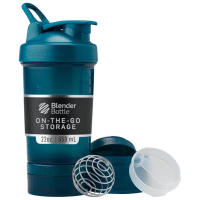
BlenderBottle Classic V2 ProStak System, 22-Ounce
A protein shake is not required after every workout, but it can be useful when a regular meal is still a few hours away. This all-in-one shaker makes it easier to carry protein powder, small supplements, or a measured snack without packing several separate containers.
- All-in-one storage: Includes interlocking jars that can be attached to the bottle or carried separately.
- Leak-resistant design: The screw-on lid and secure flip cap help prevent spills inside a gym bag.
- Easy to carry: A wide loop makes it convenient for the gym, work, commuting, or travel.
- Complete set: Comes with a 22-ounce bottle, two storage jars, a pill organizer, and a patented mixing whisk.
- Simple cleanup: BPA-free and phthalate-free components are safe for the top rack of a dishwasher.
Best suited for readers who occasionally use whey protein or prepare a quick post-workout drink when a full meal is not immediately practical.
Check Price on AmazonAs an Amazon Associate, Daily Body Fitness may earn from qualifying purchases at no additional cost to you.
A regular meal containing protein and carbohydrates can support recovery perfectly well.
Examples include:
- Chicken with rice and vegetables
- Eggs with toast and fruit
- Greek yogurt with berries and oats
- Fish with potatoes
- A turkey sandwich with fruit
- A smoothie containing milk or yogurt and fruit
- Beans with rice and vegetables
Not every workout needs to be followed by a full meal. When your next meal is still a few hours away, choosing healthy snacks for muscle gain can provide a practical combination of protein, carbohydrates, and calories without turning recovery nutrition into another complicated routine. The portion and food choice should still reflect your appetite, training intensity, and overall nutrition for the day.
The best option often depends on when you exercise.
If you finish your workout right before dinner, you may not need a special recovery snack at all. Just eat dinner.
If your next proper meal is several hours away, a snack containing protein and carbohydrates may make sense.
This is one of the simplest ways to avoid overcomplicating workout nutrition. Look at where the workout fits into your normal eating schedule before adding extra shakes, bars, powders, and snacks.
Sometimes your regular meal is already your post-workout meal.
Is Protein More Important Before or After a Workout?
Protein matters on both sides of the workout, but your total protein intake throughout the day is more important than obsessing over a few minutes on the clock.
Your muscles do not operate according to a stopwatch.
If you regularly consume enough protein and spread it across your meals, you are already doing something useful for muscle recovery and growth.
For many people, eating protein after a workout is convenient because exercise is often followed by breakfast, lunch, or dinner anyway.
Whey protein can also be a convenient option when a regular meal is not practical, although timing does not need to become a source of stress. Questions about the best time to drink whey protein often focus on the minutes immediately surrounding a workout, but your recent meals, daily protein intake, and training schedule all influence when a shake is actually useful.
The bigger mistake is not eating enough protein overall while worrying endlessly about whether a shake should be consumed at 4:15 or 4:45.
Consistency beats nutritional micromanagement.
What If Your Goal Is Weight Loss?
If you are exercising to lose weight, you still need to think about workout quality, recovery, and hunger.
Eating before a workout does not automatically prevent fat loss.
Eating after a workout does not automatically cause weight gain.
The overall pattern of your diet matters much more.
Some people find that a small pre-workout snack helps them exercise harder and prevents extreme hunger later. Others prefer exercising before a meal because it fits naturally into their schedule.
Either approach can work.
What deserves more attention is the habit of “rewarding” every workout with far more food than the workout actually required.
A 30-minute exercise session does not necessarily require a giant recovery meal plus a high-calorie shake on top of your normal diet.
Exercise is valuable for many reasons, but it can be surprisingly easy to consume more calories than you burned if every workout becomes an excuse to eat without paying attention.
Your pre-workout and post-workout nutrition should support your goals, not accidentally work against them.
What If Your Goal Is Building Muscle?
If muscle growth is the priority, adequate calories, sufficient protein, progressive strength training, and recovery all matter.
Going into every workout underfueled may make it harder to train with enough intensity and volume.
Eating after training also helps support the recovery process.
In this situation, both sides of the workout matter.
A useful approach is to eat a balanced meal containing carbohydrates and protein a few hours before training, then have another protein-containing meal afterward.
That is not a magic formula. It is simply a practical way to support both performance and recovery.
You do not need to eat constantly, and you do not need to carry a protein shake everywhere you go.
You need a routine you can repeat.
Morning Workouts Require a Little More Flexibility
Morning exercise creates a unique problem because there may not be enough time to eat a full meal and wait for it to digest.
If you wake up at 6:00 a.m. and want to exercise at 6:30, eating a large breakfast first probably does not sound appealing.
You have several options.
You can exercise without eating if you feel good doing so.
You can have a small, easy-to-digest snack before the workout and eat a larger breakfast afterward.
Or you can wake up earlier and give yourself more time to eat.
None of these options is automatically superior.
I prefer the idea of testing a routine rather than forcing one. Try a few workouts with a small snack. Try similar workouts without one. Pay attention to your energy, hunger, performance, and how you feel afterward.
Your own experience can provide useful information.
Evening Workouts Can Be Easier to Fuel
If you exercise later in the day, you may already have eaten several meals.
In that case, you might not need a dedicated pre-workout snack.
For example, if you eat lunch at 1:00 p.m. and exercise at 3:00 p.m., your lunch may already be your pre-workout meal.
If you exercise at 7:00 p.m. and have not eaten since noon, a snack beforehand may make a noticeable difference.
The same principle applies after training.
If your workout ends at 6:30 p.m. and dinner is at 7:00 p.m., dinner can serve as your post-workout meal.
Fitness nutrition becomes much simpler when you stop treating workout meals as a completely separate category of food.
Signs You May Need to Eat Before Your Workout
Your body often gives you useful feedback.
You may benefit from eating before exercise if you regularly experience:
- Strong hunger that distracts you during training
- Unusual weakness or low energy
- Difficulty completing workouts you normally handle well
- A noticeable drop in exercise intensity
- Feeling lightheaded during training
- Excessive hunger that leads to overeating afterward
If symptoms such as dizziness or unusual weakness happen repeatedly, do not simply assume you need a better snack. It may be worth discussing them with a qualified healthcare professional.
Food timing can affect how you feel, but not every symptom during exercise is caused by an empty stomach.
Signs You May Be Eating Too Much Before Exercise
The opposite problem is also common.
You may be eating too much or too close to your workout if you regularly experience:
- A heavy or overly full feeling
- Nausea
- Stomach discomfort
- Bloating
- Sluggishness
- Reflux or heartburn during movement
Try adjusting the meal size, food choices, or timing.
You may simply need more time between eating and exercising.
Do Not Forget About Hydration
The before-or-after food debate can distract people from something much simpler: water.
Even mild dehydration can make exercise feel harder.
Drink fluids throughout the day instead of trying to fix poor hydration by drinking a huge amount of water immediately before your workout.
For most ordinary workouts, water is enough.
Longer, very intense sessions or exercise in hot conditions may require more attention to fluids and electrolytes, but the average gym workout does not automatically require a brightly colored sports drink.
Once again, match your strategy to the actual demands of your activity.
So, Should You Eat Before or After a Workout?
For most people, the best answer is not “before” or “after.”
It is both, when appropriate.
Eat before a workout when you need energy and the timing works for you. Eat afterward to support recovery and meet your overall nutritional needs.
You do not need to force a meal before every workout.
You do not need to panic if you cannot eat immediately afterward.
You do not need to copy someone else’s routine simply because they look fit.
A short morning walk, a heavy strength workout, a long run, and a casual evening bike ride all create different nutritional demands.
The most useful approach is surprisingly simple:
Fuel enough to perform well.
Eat enough to recover.
Pay attention to how your body responds.
Keep the routine practical enough to repeat.
I have come to appreciate that the best fitness habits are rarely the ones that require perfect timing every day. Real life changes. Workouts move around. Meals get delayed. Some days you feel hungry before training, and other days you do not.
That does not mean your fitness plan has failed.
The goal is not to create a perfect pre-workout and post-workout ritual. The goal is to build an eating and exercise routine that helps you feel good, train consistently, recover properly, and continue making progress over time.
If eating before your workout helps you perform better, eat.
If you feel comfortable training without food and the workout is appropriate for it, that can work too.
Then, when the workout is done, give your body the nutrition it needs to recover.
The clock matters less than many people think.
Your consistency matters much more.
