


You finish a challenging workout, stop your smartwatch timer, and glance at your heart rate. Maybe it peaked at 165 beats per minute during a run or climbed above 180 during a demanding interval session.
The workout is over, but another important number deserves your attention.
How quickly does your heart rate come back down?
Heart rate recovery is one of the most useful indicators of cardiovascular fitness, recovery capacity, and overall health. While many people focus on their maximum heart rate during exercise, the speed at which your heart slows down afterward can reveal just as much, if not more.
A faster recovery generally indicates a more efficient cardiovascular system. A slower recovery may suggest fatigue, inadequate conditioning, dehydration, or other factors that deserve attention.
Understanding what is considered normal can help you evaluate your fitness progress and identify potential warning signs before they become bigger problems.
What Is Heart Rate Recovery?
Heart rate recovery refers to the decrease in your heart rate during the minutes immediately following exercise.
When you exercise, your heart works harder to deliver oxygen-rich blood to your muscles. Once the workout ends, your body gradually shifts from a state of exertion back toward rest. As this happens, your heart rate begins to decline.
Health and fitness professionals often measure heart rate recovery by comparing your peak exercise heart rate to your heart rate one minute after stopping exercise.
For example:
- Peak exercise heart rate: 170 bpm
- Heart rate after one minute: 145 bpm
- Heart rate recovery: 25 bpm
In this example, the heart rate dropped by 25 beats per minute within the first minute, which is generally considered a positive sign.
Why Heart Rate Recovery Matters
Many people judge their fitness level by how fast they can run, how much weight they can lift, or how long they can exercise.
While those metrics are valuable, heart rate recovery provides insight into how efficiently your body responds to physical stress.
A healthy recovery response suggests:
- Strong cardiovascular fitness
- Efficient nervous system function
- Good recovery capacity
- Better aerobic conditioning
- Improved endurance potential
Athletes and fitness enthusiasts often track heart rate recovery because it can help monitor training adaptations over time.
As your fitness improves, your heart usually becomes more efficient. This often results in both a lower resting heart rate and a faster recovery after exercise.
What Is Considered a Normal Heart Rate Recovery?
There is no single number that applies to everyone. Age, fitness level, workout intensity, medications, hydration status, and genetics all play a role.
However, general guidelines can help provide a useful reference point.
After One Minute
A heart rate drop of:
- 20 beats per minute or more is generally considered good
- 30 beats per minute or more is often associated with excellent cardiovascular fitness
- Less than 12 beats per minute may warrant further attention, particularly if it occurs consistently
After Two Minutes
Many healthy individuals will experience a reduction of:
- 40 to 60 beats per minute
- Sometimes even more in highly trained athletes
Remember that these numbers are only guidelines. Context matters.
Someone who just completed an all-out sprint workout may recover differently than someone who finished a moderate-paced walk.
Factors That Affect Heart Rate Recovery
Several factors can influence how quickly your heart rate returns to normal after exercise.
Fitness Level
Fitness level is one of the strongest predictors of heart rate recovery.
People who engage in regular cardiovascular exercise typically recover faster than those who are sedentary.
Consistent aerobic training improves the efficiency of the heart and enhances the body’s ability to switch from exertion mode back to recovery mode.
Workout Intensity
The harder you push, the longer recovery may take.
A gentle jog may allow your heart rate to return to baseline relatively quickly, while a high-intensity interval session could require more time.
This does not necessarily indicate a problem. It simply reflects the demands placed on your body.
Age
Heart rate recovery often changes with age.
As people get older, the cardiovascular system may become slightly less responsive compared to younger years. However, regular exercise can significantly improve recovery regardless of age.
Many active older adults maintain excellent heart rate recovery through consistent training.
Hydration Status
Dehydration places additional stress on the cardiovascular system.
When fluid levels drop, the heart may need to work harder to circulate blood effectively. As a result, heart rate recovery can become slower.
This is one reason hydration remains important before, during, and after exercise.
Sleep Quality
Poor sleep can affect nearly every aspect of physical performance.
Even a single night of inadequate sleep can increase resting heart rate, reduce exercise performance, and slow recovery afterward.
If your heart rate recovery suddenly worsens, reviewing your sleep habits may be worthwhile.
Stress Levels
Mental and emotional stress influence the autonomic nervous system, which regulates heart rate.
High stress levels can keep your body in a heightened state of alertness, making it more difficult for the heart rate to decline efficiently after exercise.
This is why stress management can be just as important as training itself.
How to Measure Your Heart Rate Recovery
Measuring heart rate recovery is surprisingly simple.
Most fitness watches, smartwatches, heart rate monitors, and fitness apps can provide the necessary data.
Here is a straightforward method:
- Complete your workout.
- Record your highest heart rate during exercise.
- Stop exercising.
- Wait exactly one minute.
- Record your heart rate again.
- Subtract the one-minute heart rate from your peak heart rate.
For example:
- Peak heart rate: 175 bpm
- One-minute heart rate: 150 bpm
- Recovery score: 25 bpm
Repeat this process under similar conditions to track trends over time.
Looking at long-term patterns is often more useful than focusing on a single workout.
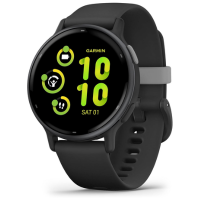
Garmin Vívoactive 5 Health and Fitness GPS Smartwatch
A bright AMOLED fitness smartwatch designed to help you monitor workouts, track wrist-based heart rate, understand recovery patterns, and get a more complete picture of your daily health and energy levels.
- Wrist-based heart rate tracking for workouts and daily activity
- Body Battery energy monitoring to help balance training and recovery
- More than 30 built-in indoor and GPS sports apps
- Preloaded workouts for cardio, yoga, strength, HIIT and Pilates
- Bright AMOLED display with up to 11 days of battery life
- Sleep, stress, fitness age and morning report insights
If you want to track heart rate recovery more accurately after workouts, a smartwatch like the Garmin Vívoactive 5 can make it easier to see how your body responds to training, rest, stress and sleep.
Check Price on AmazonAs an Amazon Associate, we may earn from qualifying purchases.
Signs Your Heart Rate Recovery Is Improving
A faster recovery is often one of the earliest signs that your fitness is improving.
You may notice:
- Your heart rate drops more quickly after workouts
- You feel less exhausted after exercise
- Recovery between workout intervals improves
- Endurance activities feel easier
- Resting heart rate gradually decreases
Many people become discouraged when weight loss or performance gains seem slow. However, improvements in heart rate recovery can indicate meaningful progress happening behind the scenes.
When a Slow Recovery Might Be a Concern
A slower-than-normal recovery does not automatically indicate a serious problem.
Many temporary factors can influence recovery on any given day.
These include:
- Poor sleep
- Illness
- Stress
- Dehydration
- Overtraining
- Excessive caffeine intake
- Hot weather conditions
However, consistently poor heart rate recovery should not be ignored.
Particularly pay attention if it occurs alongside symptoms such as:
- Chest discomfort
- Dizziness
- Fainting
- Severe shortness of breath
- Unusual fatigue
- Irregular heartbeat sensations
If these symptoms occur, seeking medical evaluation is important.
The Connection Between High Workout Heart Rates and Recovery
Many exercisers become concerned when they notice a high heart rate during training.
While elevated heart rates can be completely normal during challenging exercise, recovery often provides additional context.
For example, someone may reach 175 bpm during an intense workout and recover rapidly within the first few minutes. In many cases, this reflects a healthy cardiovascular response.
On the other hand, someone experiencing an unusually high heart rate combined with a very slow recovery may benefit from reviewing their training load, hydration, recovery habits, or overall health.
If you are concerned about elevated exercise heart rates, learning more about the signs, risks, and warning signals can help you train more safely. You can read our guide on high heart rates during workouts to better understand when a faster heart rate is normal and when it may deserve closer attention.
How to Improve Heart Rate Recovery
Improving heart rate recovery typically involves improving overall cardiovascular fitness and recovery habits.
Build Aerobic Fitness
Consistent aerobic exercise remains one of the most effective strategies.
Activities such as:
- Walking
- Jogging
- Cycling
- Swimming
- Rowing
can gradually strengthen the cardiovascular system and improve recovery over time.
Avoid Overtraining
More exercise is not always better.
Training hard every day without sufficient recovery can lead to fatigue accumulation and slower heart rate recovery.
Scheduling rest days and recovery sessions is essential.
Prioritize Sleep
Quality sleep supports the nervous system, hormonal balance, and cardiovascular health.
Most adults benefit from seven to nine hours of sleep each night.
Stay Hydrated
Proper hydration supports blood volume and cardiovascular efficiency.
Make hydration a regular part of your exercise routine rather than an afterthought.
Manage Stress
Chronic stress affects heart health and recovery.
Simple strategies such as walking, stretching, meditation, deep breathing, or spending time outdoors can help regulate the nervous system and support recovery.
Final Thoughts
Heart rate recovery is one of the simplest yet most valuable fitness metrics available today.
While many people focus on how high their heart rate climbs during exercise, paying attention to how quickly it comes back down can provide important insight into cardiovascular fitness and overall recovery status.
A faster recovery generally reflects a healthier, more efficient cardiovascular system. A slower recovery may occasionally result from fatigue, stress, dehydration, or insufficient recovery, but persistent changes should not be ignored.
The good news is that heart rate recovery often improves with consistent exercise, adequate sleep, proper hydration, and smart recovery habits.
By tracking this metric over time, you can gain a deeper understanding of your fitness progress and make more informed decisions about your training and health.

1 Comment
i enjoyed the way this was written