

There was a time when fitness seemed to require a dedicated hour at the gym, a structured workout plan, and enough motivation to push through long sessions several times a week.
For many people, that approach still works.
But if you’ve spent any time browsing fitness content lately, you’ve probably noticed a different trend gaining momentum.
More people are talking about exercise snacking than traditional workout routines. Search interest around quick workouts, movement breaks, and micro workouts has surged because people are looking for ways to stay active without rearranging their entire schedule.
The concept is simple. Instead of completing one long workout, you perform several short bursts of activity throughout the day.
Five minutes here.
Ten minutes there.
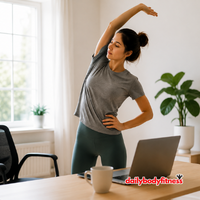
A few bodyweight exercises between meetings.
A brisk walk after lunch.
A quick set of squats while waiting for dinner to cook.
Individually, these sessions may seem insignificant. Collectively, they can have a surprisingly meaningful impact on overall fitness, calorie expenditure, and long-term consistency.
What Exactly Is Exercise Snacking?
Exercise snacking refers to short periods of physical activity performed multiple times throughout the day.
Unlike traditional workouts that often last 30 to 60 minutes, exercise snacks typically range from one to ten minutes.
Examples include:
- Climbing stairs for five minutes
- Taking a brisk walk around the block
- Completing a set of push-ups and squats
- Performing mobility exercises between work tasks
- Jumping rope for a few minutes
- Doing a quick bodyweight circuit before breakfast
The goal is not to replace every structured workout. Instead, it’s about accumulating movement throughout the day.
For many adults, this feels far more achievable than trying to carve out an uninterrupted hour for exercise.
Why So Many People Are Turning to Short Workouts
One of the biggest barriers to fitness has always been time.
People often believe that if they cannot complete a full workout, there’s no point exercising at all. That mindset creates an all-or-nothing approach that frequently leads to inactivity.
What I personally like about exercise snacking is that it removes this mental hurdle.
You no longer need the perfect schedule.
You don’t need special equipment.
You don’t even need workout clothes in many cases.
You simply move when opportunities arise.
Think about how often people postpone exercise because they don’t have 45 minutes available. Then that day turns into a week, and before long, months have passed without any meaningful physical activity.
Exercise snacking changes the conversation. Instead of asking, “When can I fit in a workout?” the question becomes, “How can I move more during the next few minutes?“
That small shift in mindset can make a huge difference.
The Hidden Problem With Sitting All Day
Many adults spend most of their waking hours seated.
Remote work, office jobs, streaming services, and endless screen time have created lifestyles where movement is often optional.
Even people who exercise regularly can fall into this trap.
Imagine someone who completes a 45-minute workout in the morning but remains seated for the next ten hours.
Compare that with someone who walks for five minutes several times throughout the day, takes the stairs, stretches regularly, and stays generally active.
While both individuals are moving, the second person may accumulate significantly more daily activity overall.
This is one reason why fitness professionals increasingly encourage people to focus on total daily movement rather than only formal exercise sessions.
In my opinion, this shift is long overdue. Many people underestimate how much prolonged sitting affects energy levels, mobility, and overall health. Moving regularly throughout the day often leaves people feeling better than relying on a single workout session to offset hours of inactivity.
Exercise Snacking Helps Build Consistency
One reason many fitness programs fail is that they ask people to make dramatic lifestyle changes overnight.
Someone who hasn’t exercised in months suddenly commits to six workouts per week.
For a few weeks, motivation carries them forward.
Then life gets busy.
The workouts become harder to maintain.
Eventually, the habit disappears.
Exercise snacking works differently.
Because the commitment is so small, it becomes easier to repeat consistently.
A five-minute walk feels manageable.
Ten squats feel manageable.
Three minutes of stretching feels manageable.
These small actions create momentum. Over time, that momentum often develops into stronger fitness habits.
Many people who begin with exercise snacking eventually find themselves exercising more, not because they have to, but because movement starts becoming part of their daily routine. Building fitness habits often comes down to small, repeatable actions rather than dramatic lifestyle changes, which is why learning how to make exercise a daily habit can be just as important as choosing the right workout plan.
Consistency has always been one of the most powerful predictors of fitness success. Exercise snacking makes consistency easier to achieve.
Can Exercise Snacking Actually Help With Weight Loss?
The honest answer is yes, but with realistic expectations.
Exercise snacking is not a magic solution.
A three-minute walk will not suddenly transform your body.
However, weight loss is often influenced by consistent daily habits rather than occasional heroic efforts.
Let’s consider a simple example.
Suppose you:
- Walk for 10 minutes after breakfast
- Walk for 10 minutes after lunch
- Walk for 10 minutes after dinner
That’s 30 minutes of additional activity every day.
Over a week, that becomes 210 minutes of movement.
Over a month, that’s hundreds of extra active minutes that may never have happened otherwise.
The cumulative effect can become significant.
Many people find that short movement sessions are easier to maintain than ambitious workout plans, making them more effective in the long run.
Another benefit is that frequent movement often encourages other healthy habits. People who stay active throughout the day may become more conscious of their food choices, hydration, and sleep habits as well.
Why Wearable Technology Has Made Exercise Snacking More Popular
Another reason this trend has exploded is the growing popularity of fitness trackers and smartwatches.
Modern devices constantly remind users to stand, move, and hit daily activity goals.
Instead of focusing only on workouts, many people now pay attention to:
- Daily step counts
- Active minutes
- Movement reminders
- Heart rate trends
- Recovery metrics
These metrics naturally encourage exercise snacking throughout the day.
In fact, many people discover they move more when they receive frequent prompts and real-time feedback from wearable devices. That’s one reason why the latest generation of fitness trackers has become so focused on daily activity habits rather than just gym performance.
Features such as movement reminders, step goals, recovery tracking, and activity rings encourage users to stay active throughout the day. Many of the devices are wearable fitness technology that actually helps with weight loss are designed around this exact principle. Rather than emphasizing intense workout sessions alone, they help users build consistent movement habits that are easier to maintain over time.
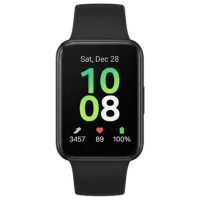
Recommended for Exercise Snacking
Samsung Galaxy Fit 3 Fitness Tracker
A lightweight fitness tracker that can help you build short daily movement habits with step tracking, workout modes, heart rate monitoring, sleep insights, and long battery life.
- 1.6-inch AMOLED display for easy daily tracking
- Up to 14 days of battery life
- 101+ workout modes with auto detection
- Heart rate, SpO2, sleep coaching, and activity tracking
- 5ATM and IP68 water resistance for active lifestyles
Note: This is an international model. Samsung Pay is not supported, and warranty coverage may not apply locally.
Check Price on AmazonThe Best Exercise Snacks to Try
If you’re interested in experimenting with this trend, simplicity is key.
You do not need an elaborate plan.
Start with movements that fit naturally into your day.
Walking Snacks
Walking remains one of the most effective and accessible forms of exercise.
Try:
- Five-minute walks after meals
- Walking during phone calls
- Parking farther away from entrances
- Taking a quick lap around the office
Strength Snacks
Short strength sessions can help maintain muscle and improve functional fitness.
Examples include:
- 10 push-ups
- 15 bodyweight squats
- 20 lunges
- 30-second plank holds
These movements require little space and no equipment.
Mobility Snacks
Mobility work often gets overlooked until aches and stiffness appear.
A few minutes of stretching can improve how your body feels throughout the day.
Focus on:
- Hip mobility
- Shoulder mobility
- Hamstring stretches
- Thoracic spine rotation exercises
Stair Snacks
If stairs are available, use them.
A few flights of stairs can elevate heart rate quickly and provide a surprisingly effective cardiovascular challenge.
Even one or two minutes of stair climbing can leave you breathing harder than a casual walk, making it an efficient option for busy days.
Who Benefits Most From Exercise Snacking?
While nearly anyone can benefit, certain groups may find it especially useful.
Busy Professionals
Packed schedules often leave little room for traditional workouts.
Exercise snacks can fit between meetings and daily responsibilities.
Beginners
People who feel intimidated by gyms or structured programs often find short activity sessions more approachable.
Older Adults
Frequent movement throughout the day may help support mobility and reduce extended periods of sedentary behavior.
Remote Workers
Working from home has many benefits, but it often reduces incidental movement. Exercise snacks can help compensate for those lost opportunities to stay active.
Parents
Parents often struggle to find uninterrupted time for exercise. A few short activity sessions scattered throughout the day may be more realistic than committing to a lengthy workout while juggling family responsibilities.
The Future of Fitness May Be Smaller Than You Think
For years, the fitness industry promoted bigger workouts, longer sessions, and more intense programs.
Today, the conversation is shifting.
People are beginning to realize that consistency often matters more than perfection.
A five-minute walk completed every day is usually more valuable than an ambitious workout plan that gets abandoned after two weeks.
That doesn’t mean traditional workouts are disappearing. Strength training, running, cycling, and structured fitness programs still have tremendous value.
But exercise snacking offers something many adults desperately need: a realistic way to stay active in a busy world.
Personally, I believe this is why the trend continues to grow. It respects the reality of modern life. Instead of asking people to find more time, it helps them make better use of the time they already have.
And when a fitness habit feels achievable, it becomes much easier to stick with it for the long haul.
