

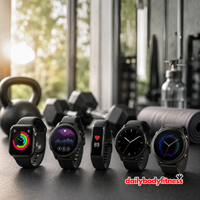
Losing weight has never been just about counting calories anymore. Wearable fitness technology has quietly become the thing that helps them stay consistent.
Sometimes it is the vibration reminding you to stand up after sitting too long. Sometimes it is seeing your daily step count sitting at 8,200 and deciding to take one more evening walk just to hit your goal.
Those little moments matter.
Modern wearable fitness devices now do far more than simply count steps. They can track heart rate, estimate calorie burn, monitor sleep quality, analyze recovery, guide workouts, and even provide AI-powered coaching.
The biggest challenge today is not finding a wearable. It is choosing the right one.
Some devices are designed for hardcore fitness users. Others are built for casual daily movement. Some focus heavily on smartwatch features, while others prioritize long battery life and accurate health tracking.
If you are trying to lose weight, improve your fitness, or simply become more active in 2026, the right wearable can genuinely help keep you accountable.
| Product | Best For | Battery | Price | Deal |
|---|---|---|---|---|
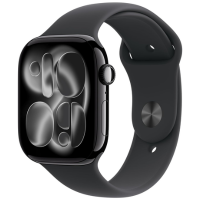
Apple Watch Series 11
|
iPhone Users | 18–36h | Premium | Check Price |
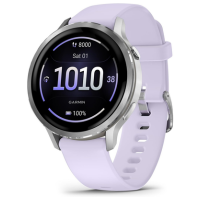
Garmin Venu 4
|
Fitness Enthusiasts | 10 Days | Premium | Check Price |
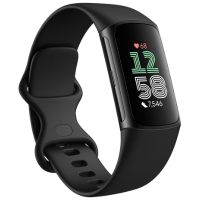
Fitbit Charge 6
|
Beginners | 7 Days | Mid-Range | Check Price |
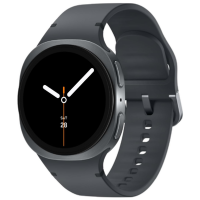
Galaxy Watch 8
|
Android Users | 1–2 Days | Premium | Check Price |
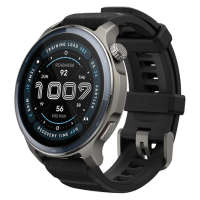
Amazfit Balance
|
Budget Buyers | 14 Days | Affordable | Check Price |
Best Wearable Fitness Technology for Weight Loss
1. Apple Watch Series 11
The Apple Watch Series 11 continues to dominate the smartwatch market because it combines fitness tracking, smart features, and habit-building tools incredibly well.
For iPhone users especially, it remains one of the smoothest wearable experiences available today.
What makes the Apple Watch particularly useful for weight loss is not just the calorie tracking. It is the consistency it encourages.
The Activity Rings system still works surprisingly well psychologically. Many users find themselves taking extra walks or squeezing in quick workouts simply to close their rings before the day ends.
Workout tracking is also extremely polished. Whether you enjoy walking, running, cycling, strength training, or HIIT workouts, the Apple Watch handles them all effortlessly.
Key Features
- Accurate calorie tracking
- Excellent heart rate monitoring
- Sleep tracking
- GPS support
- Workout tracking
- Smart reminders
- Apple Fitness+ integration
Why It Helps With Weight Loss
The movement reminders and daily goals create accountability that helps many users stay active consistently.
Pros
- Excellent ecosystem
- Smooth user experience
- Strong health tracking accuracy
- Great third-party app support
Cons
- Battery life still trails competitors
- Works best inside Apple ecosystem
Best For
People already using iPhones who want a premium all-in-one fitness smartwatch.
2. Garmin Venu 4
Garmin has built a loyal following among runners, cyclists, gym enthusiasts, and serious fitness users.
The Garmin Venu 4 strikes a very good balance between advanced fitness tracking and everyday usability.
Unlike some smartwatches that prioritize notifications and apps, Garmin focuses heavily on performance, recovery, and long-term fitness improvement.
One of the biggest advantages for weight loss is its recovery tracking and workout insights. Instead of simply pushing users harder every day, Garmin helps users train consistently without burning out.
Battery life is also one of the strongest points here.
Key Features
- Long battery life
- Advanced workout metrics
- Accurate GPS
- Sleep tracking
- Stress monitoring
- Recovery insights
Why It Helps With Weight Loss
The detailed activity insights help users maintain sustainable workout routines instead of relying on short-term motivation.
Pros
- Excellent fitness tracking
- Long battery life
- Accurate GPS
- Great for outdoor workouts
Cons
- Interface may feel advanced for beginners
- Premium pricing
Best For
Users serious about improving overall fitness and training performance.
3. Fitbit Charge 6
Fitbit continues to remain one of the easiest starting points for beginners entering the wearable fitness world.
The Fitbit Charge 6 focuses on simplicity, comfort, and motivation.
Not everyone wants a large smartwatch on their wrist all day. Some people simply want a lightweight device that tracks movement, calories, sleep, and workouts without becoming distracting.
That is exactly where Fitbit still shines.
The Fitbit app also remains one of the cleanest and easiest-to-understand fitness apps available today.
Key Features
- Lightweight design
- Easy-to-use interface
- Sleep tracking
- Daily readiness scores
- Heart rate tracking
- Workout tracking
Why It Helps With Weight Loss
Its simplicity encourages users to focus on building habits instead of obsessing over complicated data.
Pros
- Beginner-friendly
- Comfortable to wear
- Affordable compared to premium smartwatches
- Great sleep tracking
Cons
- Limited smartwatch features
- Smaller display
Best For
Beginners looking for a simple wearable focused mainly on fitness and weight loss.
4. Samsung Galaxy Watch 8
Samsung continues to improve its smartwatch lineup every year, and the Galaxy Watch 8 feels more polished than ever.
For Android users, this is one of the strongest wearable options available today.
The Galaxy Watch 8 blends smartwatch convenience with surprisingly advanced health tracking features.
One feature many users enjoy is body composition tracking, which provides additional insights beyond just body weight.
Key Features
- Body composition analysis
- Sleep coaching
- GPS support
- Workout tracking
- Heart rate monitoring
- Smart notifications
Why It Helps With Weight Loss
It gives users more health awareness while also encouraging consistent movement and exercise.
Pros
- Excellent Android integration
- Premium design
- Strong display quality
- Advanced health features
Cons
- Battery life could still improve
- Some features work best with Samsung phones
Best For
Android users wanting premium smartwatch and fitness features together.
5. Amazfit Balance 2
Not everyone wants to spend hundreds of dollars on wearable fitness technology.
That is why Amazfit has quietly become more popular over the last few years.
The Amazfit Balance 2 offers surprisingly solid fitness tracking features at a much lower price point compared to premium competitors.
Its biggest strength is battery life.
Many users simply want a wearable that tracks activity, calories, sleep, and workouts without requiring constant charging.
Key Features
- Long battery life
- Sleep tracking
- Heart rate monitoring
- GPS support
- Workout tracking
- Affordable pricing
Why It Helps With Weight Loss
It keeps users aware of their activity levels without requiring a huge financial investment.
Pros
- Excellent value
- Lightweight and comfortable
- Strong battery life
- Good fitness tracking for price
Cons
- Smaller app ecosystem
- Less premium feel
Best For
Budget-conscious users who still want modern wearable fitness features.
Features That Actually Matter for Weight Loss
Accurate Activity Tracking
The best wearable devices are the ones you can trust.
If your step count, workout tracking, or calorie estimates constantly feel inaccurate, motivation can disappear quickly.
Reliable tracking helps users stay focused and monitor progress more realistically.
Heart Rate Monitoring
Heart rate tracking helps users understand workout intensity better.
For many people, exercising too lightly or too intensely becomes a major issue. Heart rate zones help create more effective workouts.
Sleep Tracking
Sleep has become one of the most underrated factors in weight loss.
Poor sleep can affect cravings, energy levels, recovery, and overall consistency.
Modern wearables now provide useful sleep insights that help users build healthier routines.
Daily Movement Reminders
One underrated feature is inactivity alerts.
Many people spend long hours sitting at desks or working remotely. Simple reminders to move can genuinely improve daily activity levels.
Long Battery Life
People stop using wearables that constantly need charging.
Consistency matters more than flashy features.
A wearable only helps if you actually wear it regularly.
Smartwatch vs Fitness Band
Benefits of Smartwatches
Smartwatches are ideal for users who want:
- Notifications
- Calls and messages
- Music control
- Advanced health tracking
- Larger displays
- Productivity tools
They feel more premium overall but usually require more frequent charging.
Benefits of Fitness Bands
Fitness bands are better for users who want:
- Simplicity
- Better battery life
- Lower cost
- Lightweight comfort
- Basic fitness tracking
For many users focused mainly on weight loss, a fitness band is honestly enough.
Which One Is Better?
The answer depends entirely on lifestyle.
If you want smartwatch features alongside health tracking, a smartwatch makes sense.
If your main goal is simply staying active and tracking workouts, a lightweight fitness band may actually feel more comfortable long-term.
How Wearable Fitness Technology Helps With Weight Loss
Encourages Consistency
Most people already know they need better eating habits and more movement.
The difficult part is consistency.
Wearables help create accountability through daily goals and activity tracking.
Improves Awareness
Many people underestimate how inactive they are during busy workdays.
Tracking movement creates awareness that often leads to healthier choices.
Creates Motivation
Watching daily progress, step counts, workout streaks, and calorie burn creates a surprisingly strong motivational effect.
Small wins matter.
Supports Long-Term Healthy Habits
Quick fixes rarely last.
The best wearable devices help users build sustainable habits that continue over time.
Common Mistakes People Make When Buying Fitness Wearables
Buying Based Only on Design
A stylish smartwatch means nothing if the fitness tracking disappoints.
Ignoring Battery Life
Charging every single night becomes annoying for many users.
Paying for Features They Never Use
Some users spend hundreds of dollars on advanced features they barely touch.
Choosing the Wrong Ecosystem
Apple Watches work best with iPhones.
Galaxy Watches work best with Android devices.
Compatibility matters.
Expecting Instant Weight Loss Results
No wearable replaces healthy eating, exercise, and consistency.
The wearable is a tool, not magic.
Final Verdict: Which Wearable Is Worth Buying?
The best wearable fitness technology for weight loss is not necessarily the most expensive one.
It is the one you will actually wear every day.
Some users need advanced training metrics and recovery tracking. Others simply want a lightweight wearable that reminds them to move more often.
If you are deeply invested in the Apple ecosystem, the Apple Watch Series 11 remains one of the strongest overall choices.
Garmin continues to dominate for serious fitness users who care about detailed workout tracking and recovery insights.
Meanwhile, Fitbit still offers one of the easiest experiences for beginners trying to build healthier habits.
At the end of the day, wearable technology alone will not create weight loss.
But the right device can absolutely help you stay more consistent, more aware, and more motivated over time.
And in fitness, consistency is usually what matters most.
