

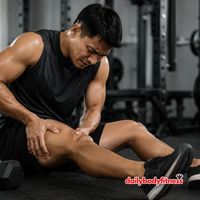
You finish a tough workout feeling accomplished. The next morning, your legs feel stiff, walking downstairs becomes a challenge, and even sitting down requires effort.
For many people, this soreness feels like proof of a productive workout. If there is no soreness, it can lead to doubts about whether the session was effective.
I used to think the same way. After increasing weights or trying new exercises, I expected soreness as a sign of progress. Over time, however, I noticed that some of my most effective training weeks came with little to no soreness at all.
This aligns with what sports science has consistently shown. Muscle soreness is common, but it is not a reliable indicator of workout effectiveness.
What Is DOMS?
DOMS stands for Delayed Onset Muscle Soreness. Unlike the burning sensation you feel during exercise, DOMS develops hours later. It typically appears between 12 and 24 hours after a workout and peaks around 24 to 72 hours.
Common Symptoms of DOMS
- Muscle tenderness
- Stiffness during movement
- Reduced range of motion
- Mild swelling
- Temporary decrease in strength
The soreness usually subsides within a few days as your muscles recover and adapt.
The Science Behind DOMS and Muscle Damage
DOMS is not caused by lactic acid buildup, as was once believed. Instead, it is linked to microscopic damage within muscle fibers, particularly during eccentric contractions.
When you perform resistance training, especially movements that lengthen the muscle under tension, tiny disruptions occur in the muscle fibers. This triggers an inflammatory response as your body begins the repair process.
What Happens Inside the Muscle?
- Microtears form in muscle fibers
- The immune system responds with inflammation
- Fluid accumulates in the tissue, causing swelling
- Pain receptors become more sensitive
This process is part of normal adaptation. However, more damage does not necessarily mean better results. Muscle growth is influenced by multiple factors, not just the extent of muscle damage.
The Science Behind Muscle Adaptation
To truly understand whether soreness matters, it helps to look at how muscles actually grow and adapt.
Muscle adaptation occurs through a process called hypertrophy, where muscle fibers increase in size in response to stress. This process is driven by three primary mechanisms: mechanical tension, metabolic stress, and muscle damage. While muscle damage contributes to adaptation, it is not the most important factor.
Mechanical tension, which is created when lifting weights through a full range of motion, is the primary driver of muscle growth. When muscles are exposed to consistent tension over time, they respond by becoming stronger and larger.
Metabolic stress, often felt as the “pump” during workouts, also plays a role by increasing cellular swelling and activating signaling pathways that promote growth.
Muscle damage, which contributes to soreness, is better understood as a byproduct rather than a requirement. In fact, excessive damage can slow recovery and reduce training frequency, which can limit progress.
Your body adapts by repairing damaged fibers and reinforcing them so they can handle future stress more efficiently. This is why workouts that once caused intense soreness eventually feel easier.
Why Does DOMS Occur?
DOMS is most commonly triggered by unfamiliar exercises or increased intensity.
Examples of Eccentric Movements
- Lowering into a squat
- Walking downhill
- Lowering a dumbbell during a bicep curl
- Descending into a push-up
These movements place greater stress on muscle tissue, increasing the likelihood of soreness.
Does Muscle Soreness Mean Muscle Growth?
The short answer is no.
While soreness and muscle growth can occur at the same time, one does not directly cause the other. You can experience:
- Significant soreness with minimal muscle growth
- Strong muscle growth with little or no soreness
- Strength gains without noticeable soreness
What Actually Drives Muscle Growth?
Muscle growth depends on several key factors:
- Progressive overload
- Adequate protein intake
- Sufficient calorie consumption
- Proper recovery
- Quality sleep
- Consistent training
DOMS is simply a response to exercise. It is not a measure of success.
Recovery is only one piece of the puzzle. Nutrition also plays a major role in muscle repair and adaptation, especially getting enough protein throughout the day. Choosing the right healthy snacks for muscle gain can make it easier to support recovery between workouts.
DOMS vs Muscle Injury: How to Tell the Difference
It is important to distinguish between normal soreness and a potential injury.
Characteristics of DOMS
- Dull, aching discomfort
- Appears 12–24 hours after exercise
- Improves with light movement
- Affects both sides of the body evenly
Signs of a Possible Injury
- Sharp or sudden pain
- Pain during movement or at rest
- Swelling or bruising
- Limited mobility in a specific area
- Pain that worsens over time
If you experience symptoms that feel abnormal or severe, it is best to stop training and seek medical advice.
Does Soreness Vary by Workout Type?
Yes, the type of exercise you perform can influence how sore you feel.
Strength Training
Resistance training, especially with heavy weights or new exercises, often leads to noticeable DOMS due to muscle tension and eccentric loading.
Running
Downhill running or long-distance sessions can cause soreness, particularly in the quadriceps, due to repeated eccentric contractions.
HIIT (High-Intensity Interval Training)
HIIT can produce soreness depending on the movements involved, especially if they include jumping or explosive exercises.
CrossFit or Functional Training
These workouts often combine strength and endurance with varied movements, which increases the likelihood of soreness due to unfamiliar stress on the body.
Why Beginners Experience More Soreness
If you are new to exercise, soreness is often more intense and frequent because your muscles are not yet adapted.
Beginner vs Advanced Lifters
Beginners typically experience more DOMS because their muscles are encountering new stress for the first time. Their neuromuscular coordination is still developing, and their tissues are less conditioned to handle eccentric loading.
Advanced lifters, on the other hand, have built resilience through consistent training. Their muscles, tendons, and nervous system are better adapted, which reduces the severity of soreness even when training intensely.
This difference does not mean advanced lifters are working less hard. In fact, they often train with greater intensity and precision but recover more efficiently due to adaptation.
The Repeated Bout Effect
As you continue training, your body becomes more efficient at handling the same exercises. This adaptation is known as the repeated bout effect.
A workout that once caused soreness for several days may eventually produce little to no discomfort. This does not mean the workout is no longer effective. It means your body has adapted.
Factors That Influence DOMS
Several variables affect how sore you feel after a workout.
Training Experience
Beginners tend to experience more soreness than experienced lifters.
Exercise Intensity and Volume
Higher intensity or volume increases the likelihood of DOMS.
Genetics
Some individuals are naturally more prone to soreness than others.
Age
Recovery capacity may decrease with age, which can increase how long soreness lasts.
Nutrition
Inadequate protein or calorie intake can impair recovery and increase soreness.
Sleep Quality
Poor sleep can slow recovery and make soreness feel more intense.
Why You Might Not Feel Sore After Every Workout
Experienced lifters often experience less soreness, yet they continue to make progress.
Common Reasons for Reduced Soreness
- Adaptation to your training routine
- Improved recovery capacity
- Better nutrition
- Adequate sleep
- Efficient training without excessive muscle damage
Reduced soreness is often a sign that your body is adapting effectively.
Common Myths About Muscle Soreness
Myth 1: No Soreness Means No Progress
You can make excellent progress without feeling sore after every workout.
Myth 2: More Soreness Equals More Muscle Growth
Excessive soreness does not guarantee better results and may hinder consistency.
Myth 3: You Must Feel Pain for a Workout to Be Effective
Effective training is based on progression, not discomfort.
Myth 4: Stretching Prevents DOMS Completely
Stretching may help with flexibility but does not eliminate soreness.
Can Too Much Soreness Be a Problem?
Yes, excessive soreness can be counterproductive.
Potential Downsides of Excessive Soreness
- Skipping workouts
- Reduced training quality
- Decreased motivation
- Increased risk of injury
Consistency is far more important than occasional intense workouts.
Best Recovery Methods Supported by Research
While no method completely eliminates DOMS, several strategies can support recovery and improve how quickly you bounce back.
Active Recovery
Light movement such as walking, cycling, or swimming increases blood flow to muscles, helping deliver nutrients and remove metabolic waste. Studies show that active recovery can reduce stiffness and improve mobility.
Sleep
Sleep is one of the most powerful recovery tools. During deep sleep, your body releases growth hormone, which supports muscle repair and adaptation. Aim for 7 to 9 hours of quality sleep each night.
Nutrition
Consuming enough protein, around 1.6 to 2.2 grams per kilogram of body weight, supports muscle repair. Carbohydrates help replenish glycogen stores, which are essential for performance and recovery.
Hydration
Proper hydration supports circulation, nutrient delivery, and muscle function. Even mild dehydration can increase fatigue and slow recovery.
Foam Rolling and Massage
Foam rolling may reduce muscle tightness and improve range of motion. Research suggests it can also decrease perceived soreness when used consistently.
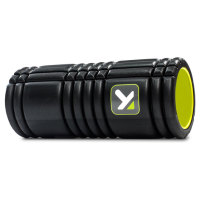
Recommended Recovery Tool
TriggerPoint Grid 1.0 Foam Roller
If post-workout soreness makes your muscles feel tight or stiff, a foam roller can be a simple recovery tool to keep at home. The TriggerPoint Grid 1.0 uses a firm multi-density surface to target sore muscles, improve mobility, and support active recovery after strength training, running, or HIIT workouts.
- Good for tight quads, hamstrings, calves, glutes, and back muscles
- Firm textured surface for deeper pressure than basic foam rollers
- Compact 13-inch size for home workouts and gym bags
- Useful after workouts or on light recovery days
As an Amazon Associate, we may earn from qualifying purchases.
Cold Therapy
Cold exposure, such as ice baths or cold showers, may reduce inflammation and soreness. However, excessive use may reduce muscle adaptation, so it should be used strategically.
Recovery involves more than waiting for soreness to disappear. Sleep, hydration, nutrition, and training load all play important roles in how quickly your muscles recover, and together they can have a significant impact on reducing muscle recovery time.
Supplements That May Help Reduce DOMS
While supplements are not a magic solution, some have shown potential benefits in reducing soreness and supporting recovery.
Creatine
Creatine is well known for improving strength and performance, and it may also help reduce muscle damage and inflammation after intense exercise.
Omega-3 Fatty Acids
Omega-3s, found in fish oil, have anti-inflammatory properties that may help reduce muscle soreness and improve recovery.
Tart Cherry Juice
Tart cherry juice is rich in antioxidants and has been shown in studies to reduce muscle soreness and improve recovery after strenuous exercise.
Protein Supplements
Whey or plant-based protein powders can help ensure adequate protein intake, which is essential for muscle repair.
Magnesium
Magnesium plays a role in muscle function and relaxation. Adequate intake may help reduce muscle cramps and discomfort.
While these supplements can support recovery, they should complement a solid foundation of nutrition, sleep, and training.
When to Train Through Soreness and When to Rest
Train Through Soreness If:
- The soreness is mild
- Your movement is not restricted
- Your technique remains solid
Rest or Modify Training If:
- Soreness is severe
- Your range of motion is limited
- Your performance is significantly reduced
Listening to your body is essential for long-term progress.
Better Ways to Measure Workout Effectiveness
Instead of relying on soreness, consider these indicators:
- Are you lifting heavier weights?
- Are you completing more repetitions?
- Has your technique improved?
- Did you complete your planned workout?
- Are you recovering well between sessions?
- Are you getting stronger over time?
These metrics provide a clearer picture of progress.
Final Thoughts
It is easy to associate soreness with success because it is such a noticeable sensation. However, soreness is not a reliable indicator of an effective workout.
Muscle growth and strength gains are driven by consistent training, progressive overload, proper nutrition, and adequate recovery, not by how sore you feel the next day.
Understanding the science behind muscle adaptation helps shift your focus away from chasing discomfort and toward building sustainable habits. Soreness may occasionally appear, especially when trying new exercises or increasing intensity, but it should not be your primary goal.
Instead, aim to train consistently, recover properly, and track measurable progress over time. When you focus on these fundamentals, results will follow, whether you feel sore or not.
