


If you have ever finished a workout, caught your breath, and thought the calorie burn ended the moment you stopped moving, you are not alone. But your body does not work that way. In fact, after certain workouts, your body keeps burning calories long after you leave the gym.
This phenomenon is known as the EPOC afterburn effect.
More people are looking for efficient workouts that deliver results without spending hours exercising. That is why EPOC has become one of the most talked-about concepts in fitness today. It promises more results in less time, which fits perfectly into busy lifestyles.
But how real is it? And more importantly, how can you actually use it to improve fat loss and fitness results?
What Is the EPOC Afterburn Effect?
EPOC stands for excess post-exercise oxygen consumption. In simple terms, it refers to the extra oxygen your body needs after a workout to recover and return to its normal state.
That recovery process requires energy, which means your body continues burning calories even after your workout is over.
This includes several internal processes:
- Restoring oxygen levels in the blood and muscles
- Clearing out lactic acid
- Repairing muscle tissue
- Replenishing energy stores like ATP
All of these require fuel, and that fuel comes from calories.
This is why EPOC is often called the afterburn effect. Your body is still working behind the scenes.
Why EPOC Matters for Fat Loss
The biggest appeal of EPOC is simple. You burn calories even when you are not exercising.
High-intensity workouts can increase your metabolism for hours after training, sometimes even up to 24 hours depending on the intensity and individual factors.
That sounds powerful, but here is the honest truth. EPOC is not magic. It is a bonus, not the main event.
Research shows the additional calories burned during EPOC are usually a modest percentage of your total workout energy expenditure.
Still, when combined with consistent training and proper nutrition, it adds up over time.
Think of it as stacking small advantages that compound.
The Key Factor: Intensity Drives Afterburn
Not all workouts create the same afterburn effect.
Intensity is the biggest driver.
High-intensity interval training (HIIT) consistently produces a greater EPOC response compared to steady-state cardio.
This is because your body works harder to recover from intense bursts of effort.
During these workouts, your body relies more on anaerobic energy systems. After the workout, it must restore balance, which increases oxygen consumption and calorie burn.
Examples of workouts that boost EPOC include:
- Sprint intervals
- Circuit training
- Heavy resistance training
- Bodyweight workouts with minimal rest
On the other hand, steady jogging or walking still burns calories, but it produces a smaller afterburn effect.
How Long Does the Afterburn Effect Last?
This is where expectations need to be realistic.
Some claims suggest you will burn fat for 24 to 48 hours straight. While technically possible in certain cases, most EPOC effects last a few hours, depending on workout intensity and duration.
However, higher intensity workouts can extend this window significantly compared to lower intensity sessions.
The takeaway is simple. The harder and more demanding the workout, the longer the afterburn.
What Happens Inside Your Body After a Hard Workout
To understand EPOC better, it helps to visualize what your body is doing after you finish exercising.
Your heart rate is elevated. Your breathing is heavier. Your body temperature is higher.
Now your body begins recovery mode.
It is working to:
- Normalize your heart rate
- Cool your body down
- Repair microscopic muscle damage
- Restore hormonal balance
All of this requires energy, which explains why your metabolism stays elevated.
In a way, your workout is not really over when you stop moving. Your body is still catching up.
The Best Workouts to Maximize EPOC
If your goal is to take advantage of the afterburn effect, your workout structure matters.
1. High-Intensity Interval Training (HIIT)
HIIT is the most effective method for triggering EPOC.
It involves short bursts of intense effort followed by brief recovery periods.
Example:
- 30 seconds sprint
- 60 seconds walk
- Repeat for 15 to 20 minutes
This pushes your body close to its limits and creates a strong afterburn response.
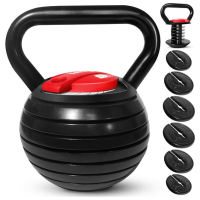
Yes4All Adjustable Kettlebell Set, 20 to 40 LB
A smart pick for EPOC-focused training. This adjustable kettlebell helps you perform calorie-burning movements like swings, squats, presses, and circuits without needing multiple kettlebells at home.
- 7 kettlebells in 1 with adjustable weight settings
- Solid cast iron plates for long-term durability
- Textured non-slip handle for sweaty HIIT sessions
- Flat base for safe storage and more exercise options
- Great for home strength training and metabolic workouts
Disclosure: As an Amazon Associate, this site may earn from qualifying purchases.
2. Strength Training With Minimal Rest
Lifting weights, especially with compound movements, also increases EPOC.
Exercises like squats, deadlifts, and bench presses require large muscle groups and create a bigger metabolic demand.
Reducing rest time between sets further enhances the effect.
3. Circuit Training
Circuit workouts combine strength and cardio in one session.
You move from one exercise to another with little rest, keeping your heart rate elevated.
This combination makes it highly effective for afterburn.
4. Hybrid Workouts
Mixing cardio and strength training can create a powerful metabolic response.
For example:
- Kettlebell swings
- Push-ups
- Jump squats
- Rowing intervals
This approach challenges multiple energy systems at once.
Common Mistakes About the Afterburn Effect
There is a lot of hype around EPOC, and not all of it is accurate.
Mistake 1: Thinking EPOC Alone Causes Fat Loss
Fat loss still depends on overall calorie balance.
EPOC helps, but it will not override poor diet habits.
Mistake 2: Doing HIIT Every Day
More is not always better.
High-intensity workouts place significant stress on your body. Doing them too often can lead to burnout or injury.
Two to three sessions per week is enough for most people.
Mistake 3: Ignoring Recovery
Recovery is part of the process.
Sleep, hydration, and proper nutrition all support the afterburn effect by helping your body repair and rebuild.
How to Build an EPOC-Focused Weekly Plan
Here is a simple structure you can follow:
- 2 to 3 days of HIIT or high-intensity strength training
- 2 to 3 days of moderate activity like walking or light cardio
- 1 to 2 rest days
This balance allows you to maximize results without overtraining.
Is EPOC Worth Focusing On?
Yes, but with the right expectations.
EPOC is not a shortcut. It is a multiplier.
It makes your workouts more efficient, especially if you are short on time.
For busy individuals, this is a major advantage. You can get meaningful results without spending hours exercising every day.
Final Thoughts
The EPOC afterburn effect is real, but it works best when combined with smart training and consistency.
If you want to make the most of it, focus on intensity, structure your workouts properly, and allow your body time to recover.
At the end of the day, fitness is not about chasing shortcuts. It is about building systems that work for your lifestyle.
EPOC is simply one of the tools that can help you get there faster.
